
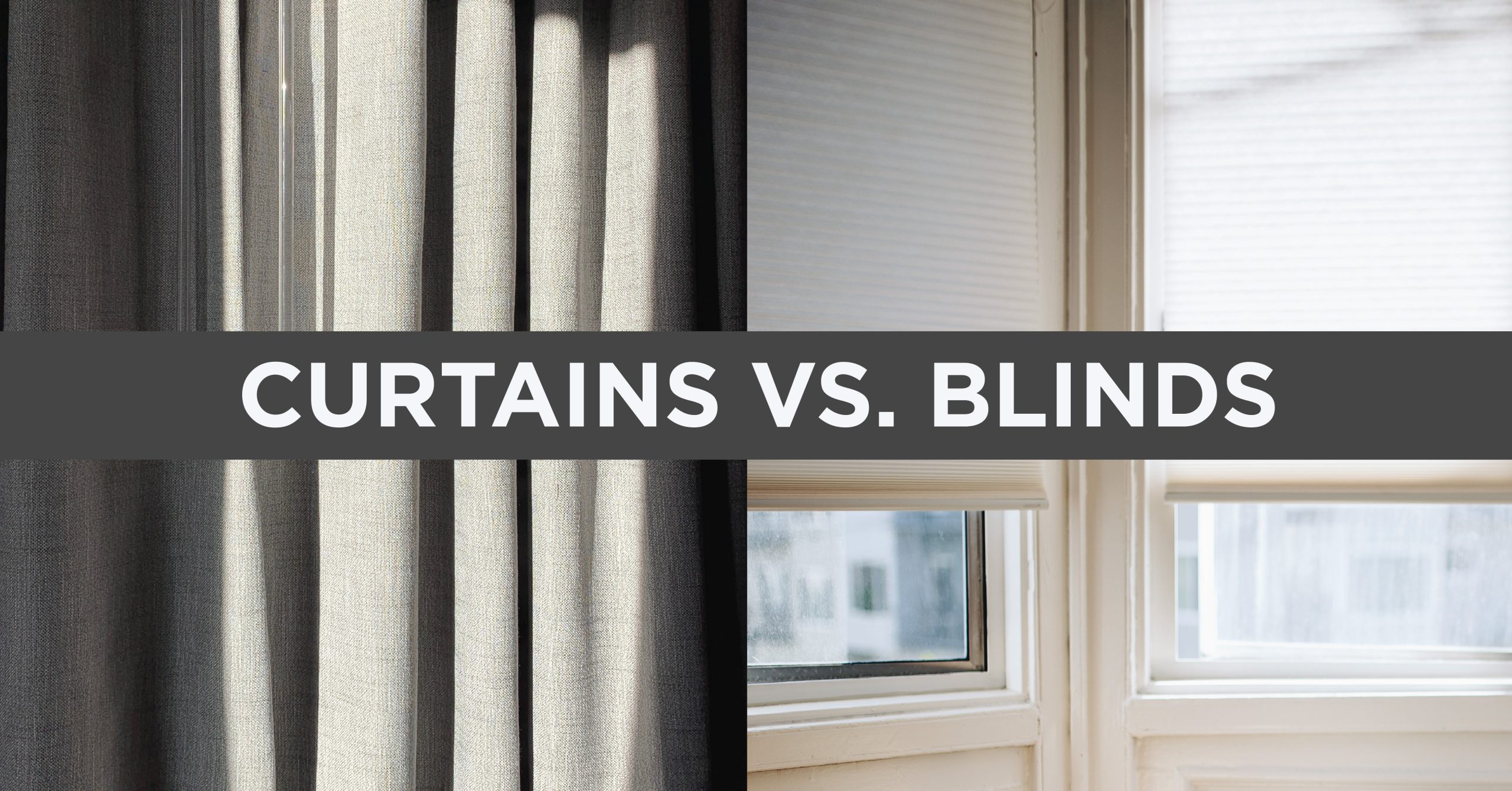
This isn’t a style question. This is a skirmish.
Choosing window coverings for your Gold Coast property is absolutely not the same as picking something pretty for a quiet, leafy suburb somewhere inland. Down here, the sun is a brutal, relentless weapon. The salt air eats anything fragile. The sea breeze, though lovely, carries dust and moisture that ruins delicate fabrics in about three painful seasons. If you select the wrong thing, you’re not just choosing a bad look; you’re inviting maintenance headaches, humidity issues, and a significantly higher air conditioning bill. It’s a tactical decision, truly. We need to dissect this choice—Curtains versus Blinds—based purely on Gold Coast realty.
The Curtain’s Argument: Softness and Soul
A curtain is emotion. It hangs there, heavy and forgiving, a giant, beautiful piece of fabric softening the harsh angles of the room. When you’re talking about luxury, a ceiling-mounted, deep-draped curtain is the quintessential aesthetic statement, isn’t it? It adds acoustical warmth, dampening those echoey sound waves that bounce around in modern, open-plan homes with tiled floors. And when you draw a thick curtain, particularly one with a blockout lining, you achieve a level of sensory deprivation that simply screams sanctuary. You feel tucked in, swaddled away from the world’s noise and light pollution. That’s a powerful psychological benefit that a hard blind can’t quite replicate.
But here’s the rub, especially near the surf break: Curtains are high maintenance. They are big, bulky dust collectors, soaking up every bit of humid air, every salty particle, and every cooking vapour that drifts their way. If you use a beautiful, natural linen—the kind we all adore for its soft fall—it will require constant, careful cleaning, and that coastal moisture will wrinkle it into an absolute mess if you’re not careful. Unless you have deep pockets and a serious commitment to sending them for professional laundering every six months, a massive, unlined curtain can become a huge, expensive sponge for the surrounding environment. They also completely destroy your ability to manage light precisely. You get two settings: fully open or fully shut. That’s a limited menu for a place where the light changes every twenty minutes.
The Blind’s Counter: Precision and Coastal Resilience
A blind is a function made visual. It’s the pragmatic choice, the logical answer to a hostile climate. When the sun is doing its absolute worst—stinging through your west-facing window at 3 PM—a blind acts as a perfect, adjustable shield. You can tilt the louvres of a Venetian blind to bounce light off the ceiling, or drop a roller blind to the exact point on the glass that needs shading. It offers granular control, something the curtain simply cannot manage.
For the Gold Coast, certain blind materials are absolute heroes. Think about PVC plantation shutters. They don’t warp, they don’t absorb moisture, they don’t care if a window is left open during a sudden downpour, and you can literally wipe the salty residue off them with a damp cloth. That’s real, meaningful durability. Aluminium Venetians, too, offer that sharp, clean aesthetic and shrug off the coastal air with zero fuss. Roller blinds, particularly dual systems (a light screen sheer and a heavy blockout fabric) are the clever switchblade of the window world. They seal tighter than a curtain ever could, offering superior insulation and far less material to collect dust. It’s a clean look that complements the sharp lines of modern coastal architecture beautifully.
The one downside? The cheapest, flimsiest aluminium options rattle like mad in a strong breeze. And if you opt for a hard material like basic PVC in a north-facing bedroom, it can make the acoustics sound colder, sharper. We’re aiming for comfort, after all.
The Gold Coast Decider: The Layering Solution
So, who wins the fight? If we’re judging purely on long-term endurance against the salty, humid, and intensely sunny Gold Coast climate, the blind absolutely wins on function.
However, we all know that looks matter. You want the softness, that visual flow, that sense of effortless sophistication that only a curtain can deliver. So, here is the secret handshake, the clever combination that solves both problems: Layering.
You install a high-quality, hard-wearing blind closest to the window—a sheer-screen roller blind, a plantation shutter, or perhaps a thermal-backed Roman blind. This is your climate control, your tactical defense against the heat and UV. This unit does the hard work. Then, you layer an aesthetically pleasing, soft sheer curtain over it, hanging from the ceiling and extending slightly past the floor. The sheer curtain is your visual balm; it gives you the flow, the softness, and the texture without all the heavy maintenance of a large, lined drape.
This configuration gives you everything: the light management and coastal durability of the blind, and the romantic, sound-softening elegance of the curtain. It’s the best of both worlds, a pairing that acknowledges the brutality of the sun while insisting on visual grace. Never, ever rely on curtains alone for primary climate defense in a place where the air conditioner is running six months of the year. That’s just throwing money into the atmosphere.
The decision, then, isn’t about choosing one or the other. It’s about being smart about where you deploy their strengths: Blinds or shutters for maximum heat-facing windows; layered sheers and blinds everywhere else. It’s how you beat the Gold Coast without sacrificing style.
Key Takeaways for Your GC Home
- Avoid large, heavy, unlined natural drapes. The humidity and salt will make them weep and sag. They’ll look ancient quickly.
- Prioritize exterior shading (like awnings or external screens) for any window facing west. Stop the heat before it hits the glass.
- Invest in high-quality PVC or Aluminium for wet areas and the most sun-battered spots. They are your durable foot soldiers.
- Layering sheer curtains over your functional blinds is the ultimate aesthetic compromise—it gives you the softness without the structural weakness.
The Gold Coast climate isn’t forgiving. Don’t fight it with fragile things. Which of these tactical combinations feels right for your primary living area?