
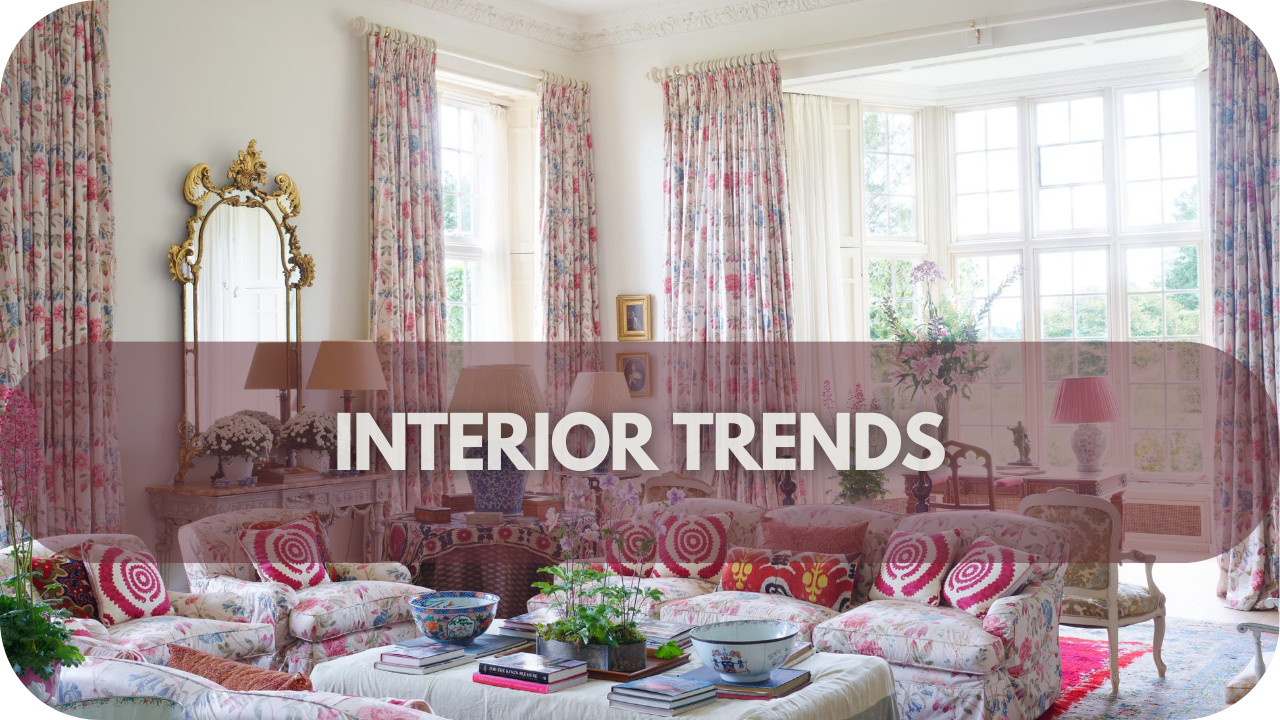
You know that dread, that soul-sucking exhaustion that hits when every single interior on the internet looks identical? The perfectly-styled, pale-wood-and-white-sofa nightmare? It’s not just boring; it’s an emotional vacuum. Your home, the single place you’re meant to shed the world’s constant, clattering noise, shouldn’t feel like another overly sanitized page in a catalogue. The shifts coming in 2025 aren’t about what’s new—they’re about what feels true. They’re about choosing window coverings that don’t just handle the light; they actively manage your mood, protecting your peace from the outside chaos.
These currents we’re seeing aren’t some flimsy, here-today-gone-tomorrow fads destined for the skip. This is a deep, gorgeous reckoning in how sophisticated people want their private spaces to feel—rich, idiosyncratic, and, thank heavens, a little less polite. It’s time to retire timid; your windows deserve better than safe neutrality.
The Sensory Weight: Texture is a Comfort, Not a Decoration
Kleenabc spent far too many years prioritizing patterns that were fun for five minutes and then felt visually frantic, leaving your eyes buzzing like trapped bees. Now, the collective human nervous system needs a break. The monumental shift for 2025 is toward materiality that you don’t just see, but that you anticipate touching. That’s a tactile experience.
We’re returning, utterly smitten, to fabrics that feel ancient and stubborn: the satisfying coarseness of raw linen, the uneven, comforting topography of thick bouclé, and even heavy, cotton-based velvets that don’t reflect light so much as they seem to absorb it like a profound, calming thought. This isn’t about mere visual interest. It’s about density. When you hang a curtain made of slubby, untreated linen, the flaws in the weave become assets, diffusing the light in a beautifully, wonderfully unpredictable way. It’s the sonic difference between hearing a flat MP3 and feeling the lush, deliberate crackle of vinyl filling the room.
The moral? Your window coverings should feel like something enduring, something pulled from the earth, or at least something a master weaver took their time perfecting. Even simple roller blinds are ditching their synthetic sheen for woven grasses or natural reed finishes. The surface of the fabric, even in a quiet shade of mushroom or clay, must be complicated and deeply satisfying. It’s time your home had some real heft to it.
The Invisible Hand: The Sweet Relief of Nothing to Clutter
I bet you know the feeling. You’ve almost got the room perfect, and then there they are: the necessary mechanical bits. The bulky headrail. The plastic cord that always snags. The visible functionality that destroys the serenity. These are the visual sins, the dropped commas that ruin the flow of your sanctuary. Well, get ready to breathe a sigh of relief. Designers are finally making those things vanish completely.
This trend is a gift of visual clemency. It means building spaces where the blind operates without ever visually announcing its presence. We’re embedding recessed pelmets deep into the ceiling, allowing the shade itself to simply unspool from the shadows, defying gravity and logic. It’s surgical. It’s clean. It gives you this lovely, unfussed sensation of spaciousness that frankly, is addictive.
And because we’re busy people who don’t want to be slaves to our windows, motorisation isn’t a frivolous expense anymore; it’s practically a mandate for a calm home. Why fiddle with a greasy cord when your curtains can greet the morning light or descend automatically to tame the blistering 4 PM glare? No visible cords, no wands to trip over, just pure, functional discretion. It’s the architectural equivalent of having a truly excellent secret. It gives you back those priceless, tiny moments of peace you’d otherwise spend wrestling with a jammed mechanism. Don’t you deserve that kind of quiet efficiency?
Monochromatic Cocooning: Drenching Yourself in Colour Therapy
The old school of thought was using your curtains as a loud exclamation point—a jarring pattern or contrasting colour meant to grab attention. That idea feels utterly exhausting now. Our collective psyche is demanding something far gentler, far more enveloping: total colour immersion.
This is the brilliant simplicity of colour drenching. It means choosing your wall paint, your window trim, and your curtain or blind fabric in three subtly different, graduating tones of one deep, soothing hue—a rich, dusty terracotta or perhaps a muted, complicated olive. The window isn’t a feature; it’s an element of the room’s unified atmosphere. This deliberate blending creates a profound cocooning effect that is deeply restorative, especially in bedrooms or quiet corners where you desperately need mental separation from the outside world.
When you deliberately wipe out the visual interruption of a bright white trim, the entire space feels bigger, warmer, and profoundly intentional. The light filtering through a Roman blind in that same deep colour doesn’t look like simple illumination; it looks like the colour has been lovingly mixed into the air itself, bathing you in a gentle, protective hue. This trend requires a genuinely brave choice—a commitment—but the emotional payout is a room that feels like a constant, quiet embrace. We love it. Commit to the hug.
The Earth Speaks: Peace of Mind in Honest Materials
Let’s be honest, nothing makes a room feel cheaper than something that smells of new plastic and guilt. We’re all thinking harder about what we buy, how long it will last, and whether it aligns with our sense of integrity. Therefore, anything that feels disposable or smells synthetic is out.
The design world is chasing sustainable tactility. This translates to materials that feel authentic: jute, raw hemp, unbleached cottons, or even performance fabrics born from reclaimed ocean plastics. It’s an aesthetic with a conscience. The grain and texture of these materials aren’t just pretty; they carry a tiny, grounding story of their origin. Think of simple woven wood shades that create those lovely, shifting shadows, or thick linen curtains that hang with a beautiful, unpretentious heaviness. They’re warm. They’re forgiving. Choosing them gives you that quiet, genuine peace of mind that comes from knowing you’ve brought something enduring and honest into your sanctuary, not just another piece of fleeting clutter.
Questions You’re Probably Asking (Because I Would Be)
Yes, but it’s smarter, less fussy. We’re trading heavy drapes for a combination of sheer curtains (your soft, daytime dream filter) paired with a precise blockout Roman blind (your night-time light shield). It’s functional perfection without any of the old-school puffiness.
Totally depends on the vibe. Going for the seamless cocoon? Hide the hardware completely. But if you’ve chosen a beautiful, textured curtain, let the rod act as the room’s jewellery. A simple, heavy brushed bronze finial can be that perfect little punctuation mark, a tiny, necessary moment of design flair.
For massive sliding glass doors, the newest generation of vertical panels—using those architectural, textural fabrics we talked about—are finding a clean, sleek life. They glide silently, they look substantial, and they solve the problem of huge access points. But if they look like they belong in a rental office, please, ditch them immediately.
Ultimately, your window treatment isn’t a footnote; it’s a profound tool for living well. It’s about choosing materials and systems that support your mental state. Be brave, commit to the textures that feel good, and let your home finally start feeling like a true, comfortable exhale. What kind of peace do you want your windows to deliver today?