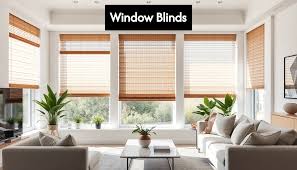
We talk a good game about coastal living, don’t we? The balmy evenings, the perpetual scent of salt, the dazzling, almost brutal intensity of the Queensland sun. It sounds like a brochure. But anyone who’s actually tried to keep an indoor temperature sane or prevent a favourite leather sofa from dissolving into a faded, crispy wreck knows the truth: Brisbane and the Gold Coast are meteorological endurance tests. This climate doesn’t gently kiss your windows; it absolutely batters them with UV radiation, then attempts to steam-cook your living room with thick humidity when the storm rolls in.
Listen, your windows are the weak link. They’re the thermal bridge, the entry point for the solar load that makes your air conditioner scream for mercy every summer afternoon. Most people treat blinds as an afterthought, a quick, decorative fix for privacy, maybe. That’s foolish. That’s treating a surgical tool like a butter knife. The right window dressing—a true solution—is the single most significant piece of climate-control architecture you can add to your home, a non-negotiable shield against the daily environmental assault. If you’re living here and you’re still using cheap, flimsy fabric panels or, heaven forbid, naked glass, you’re just throwing money at Energex and wondering why your interior décor looks geriatric by its third birthday. This isn’t just about covering glass; it’s about tactical defense, and frankly, a bit of interior swagger.
The Brisbane Crucible: Why Your Windows are a Battlefield
It’s all about the numbers, specifically the low angle of the winter sun and the sheer, unfiltered violence of the summer light. Our subtropical positioning means the solar intensity isn’t just high; it lingers. It’s an unrelenting pressure, pushing heat into your house through every unprotected square meter of glass. Think of your window as a funnel, and that relentless Australian light is pouring 90% of your cooling budget straight through it. A good blind intercepts that funnel. A great blind throws the whole concept of a funnel out the window. It simply refuses to let the energy penetrate the thermal envelope in the first place. You must consider what happens when the blind is down, not just how pretty it looks rolled up.
Humidity, that sticky, oppressive blanket we all tolerate, is the silent killer for many imported or poorly chosen blind materials. Fabrics sag. Metals corrode quickly. Wood warps and swells until your Venetian blind is less a functional window treatment and more a miniature, arthritic staircase that refuses to open or close properly. Buying a cheap, MDF-based product? You’re inviting disaster. Don’t do it.
The Western Aspect: Facing the Fury
If your home has windows facing West, especially across the Gold Coast where the air movement can be fierce, you need to acknowledge that this aspect is the ultimate problem child. The western sun is the most difficult to tame because it’s low, hot, and arrives when the air temperature inside and out is already peaking. It’s the final, fiery punch of the day. For these windows, internal treatments often arrive too late; the heat has already passed through the glass, been absorbed by the blind material, and is now happily re-radiating into your room. We have to think outside the box. Literally.
The Contenders: Blinds Built to Endure the Sunshine Coast
We’ve seen everything come and go. Fads perish here because only the genuinely durable survive. Forget the marketing hype for a minute; we’re talking about materials engineered to survive a climate that’s simultaneously trying to bake and drown them.
Plantation Shutters: The Stoic Guardian
Look, if you want something that screams classic Queenslander elegance but works like a tank, you can’t look past the right kind of plantation shutter. They aren’t just for show. The key word is right. You’re absolutely not opting for anything less than high-quality PVC or perhaps aluminium for wet areas like bathrooms and kitchens; natural timber shutters, while beautiful, require a commitment to upkeep that many Brisbane owners simply don’t have time for, and they’re prone to warping in the high moisture content of the air unless they’ve been perfectly treated. PVC is your ally. Why? It doesn’t flinch at condensation or that sudden spike in humidity when a southerly buster blows through. You can tilt the louvres to bounce the direct sunlight up onto the ceiling—which is an absolute marvel of passive temperature control, by the way—while still allowing a gorgeous, cross-breeze to slip through. It keeps the view without letting the full thermal load penetrate. It’s a supremely elegant solution, a heavy-duty bouncer at the door of your living room, politely but firmly turning away the harsh elements. They’re expensive, sure, but they’re a fixed asset, something that adds serious, visible value to the property, a genuine investment that pays out in daily comfort.
Dual Roller Blinds: The Clever Switchblade
If you need versatility, something that shifts personalities throughout the day, the dual roller system is a quiet genius. You get two independent rollers on one bracket, and you need this dual function because a Brisbane day has at least two wildly different light requirements. Most people think of a single blockout roller for absolute darkness. Necessary for bedrooms, absolutely. But what about the other sixteen hours? That’s where the magic happens: the sheer screen. During the day, you drop the screen fabric—it’s translucent, like a delicate veil—and it works by filtering that harsh UV light, destroying the glare before it hits your monitor or your eyeballs. It keeps the view mostly intact; you can see out clearly, but people struggle to see in. That’s the privacy solved, and the heat rejected, without plunging the room into darkness. Then, at dusk, you roll up the screen and deploy the heavier blockout fabric for absolute night-time seclusion and insulation. It’s a beautifully engineered piece of equipment that handles every single lighting condition the Queensland sun can throw at you. We think it’s brilliant. It’s the definition of functional art.
External Awnings/Zipscreen: The First Line of Defense
Remember the problem of the West-facing window? This is the answer. For truly aggressive solar heat—and I mean that stinging, 4 PM heat—the solution is to stop the sun before it even reaches the glass. Once the heat passes the glass, you’ve lost the fight. External Zipscreens or other articulated awnings are absolute climate heroes. They use a tough, heavy-duty screen fabric, anchored (or zipped) into side channels to prevent them from flapping themselves to death in a serious gust, and they can reduce the heat transfer by up to 90% [Source: Various independent studies on external shading]. Think about that: ninety percent. That’s not a tweak; that’s a revolution in your energy consumption, making your home significantly cooler inside, often without even touching the air conditioning remote. They are the ultimate, no-nonsense climate solution for any area of your house that receives severe, direct sunlight, especially on a lower level where the sun angle is most punitive.
Beyond Beige: Injecting Soul into Shade
Okay, function covered. Now for the fun stuff. You’ve got the technical bits sorted, but nobody wants their home to look like a poorly decorated server room. This isn’t just a functional item; it’s a massive slice of visual real estate. What mood are you creating? Stop reaching for the off-white or the pale grey simply because it feels ‘safe.’ Safe is boring. Safe often looks cheap. Don’t you think?
In Brisbane’s light, colors behave differently. Intense colors, like a deep indigo or charcoal, can actually provide an anchor, a visual rest point in an otherwise brightly lit, airy room. If you’ve got high ceilings and a lot of glass, that deep colour on a blockout roller blind provides a theatrical sense of contrast, making the architectural lines pop. For Gold Coast properties, which often lean into a lighter, coastal palette, don’t just use white—use a textured, woven fabric in a bleached linen tone. The texture gives it a feel, a subtle depth that a flat colour simply lacks. Texture adds interest; flat colours just exist. A well-chosen blind is like the perfect suit: it subtly elevates everything else around it without screaming for attention. When I see people install cheap, translucent vertical blinds—the type that rattle weakly in the breeze and look like they belong in a tax office—it genuinely makes me despair. They’ve spent hundreds of thousands on a beautiful home and then dressed the windows in something utterly dismal. Your blinds shouldn’t subtract from the architecture; they should be a deliberate, artistic accent.
The Investment Equation
So, the PVC shutters cost more than the standard aluminium Venetians. It’s true. But you’re thinking about the upfront cash, and that’s only half the story. You have to factor in the cost of doing nothing, or the cost of doing it badly. What’s the price of a power bill that consistently pushes $800 a quarter? What’s the price of replacing a bleached-out floor rug every five years? What about the sheer, psychological toll of constantly feeling too hot, too exposed, and too bright in your own kitchen?
A good, climate-appropriate window treatment is a capital expense, not just a purchase. It starts paying you back immediately by radically slashing the amount of thermal heat entering your house, allowing your air conditioning to operate less frequently and less intensely. Over a few Queensland summers, the difference in operating costs alone can easily cover the difference between a high-quality, efficient blind system and a generic, heat-soaking panel. Don’t cheap out on the parts that fight the elements. You’ll always regret it later. We think it’s simple arithmetic: buy once, cry once, then enjoy the savings and the comfort for a decade. Buy cheap, and you’re buying a problem that will perpetually frustrate you.
Frequently Asked Questions (FAQ)
Here are the questions we hear most often from homeowners fighting the good fight against the Brisbane sun.
Absolutely, they can. And for large Gold Coast picture windows or high-up openings that you can’t easily reach, motorisation is entirely worth the premium. It’s not just a convenience; it ensures your blinds are actually used at the precise moment they’re needed—say, automatically dropping at 3 PM when the sun hits that western window—which maximizes their climate control benefit.
Yes. Look for fabrics that specifically state their UV protection rating. A sheer or screen fabric with a high openness factor (like 5% or even 7%) can still offer 90%+ UV blockage. You want to filter the harmful rays, which destroy furniture and art, without losing all your light.
You must avoid natural fabrics and untreated wood in these areas. The moisture content, coupled with steam, will ruin them fast. High-quality PVC shutters or waterproof aluminium Venetians are the reigning champions here. They wipe clean, resist mould growth, and simply don’t absorb water. They’re practical. They work.
The truth is, finding the perfect blind system for a Brisbane or Gold Coast home isn’t a simple shopping trip; it’s a strategic act. You’re trying to balance aesthetics with a truly punishing environment. Think smart about materiality, be tactical about aspects, and for heaven’s sake, let your personality shine through in the final visual choices. Don’t settle for the predictable. Get the shield, and the style, right now. It makes all the difference.